Demow Model Hospital & Rural Community Health Centre (CHC), Assam

Saving Lives from the Brink — Assam's Snake Doctor

Pioneering the decentralized "Demow Model" of snakebite management, eliminating preventable deaths, and mobilizing rural communities across Northeast India.

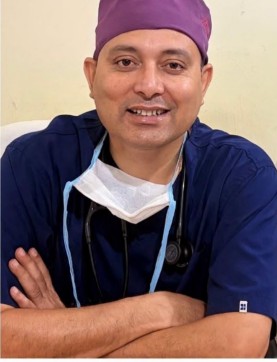
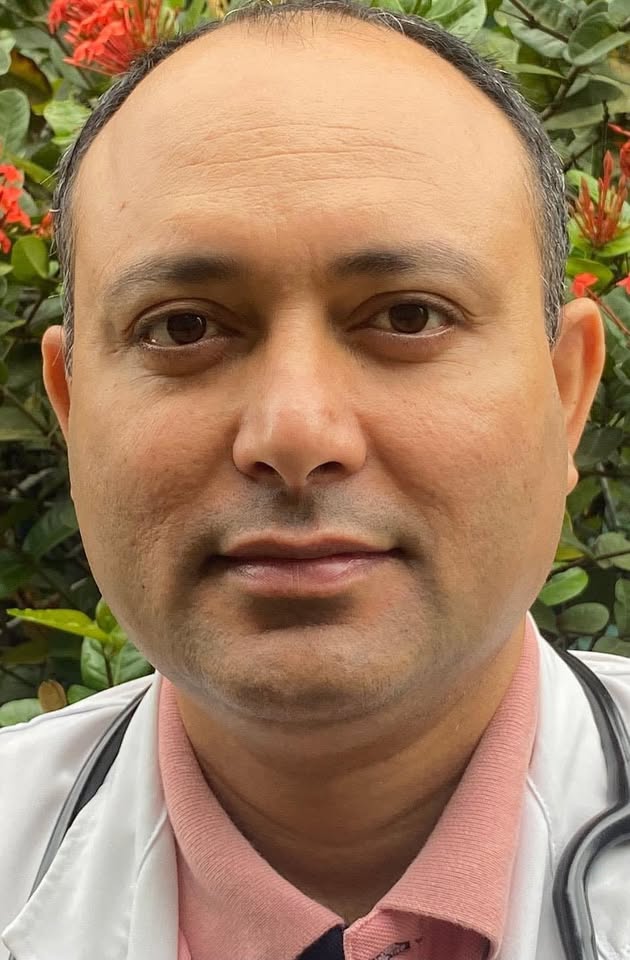
Dr. Surajit Giri Official Profile Picture

Dr. Surajit Giri

MBBS (AMC), MD/DA — Consultant Anaesthesiologist

NTAC Member, Govt of India (NPSE)
  • Demow Model Pioneer: Zero-mortality decentralized snakebite emergency care.
  • Venom Army Founder: Community First Reaction Teams in rural Assam and tea gardens.
  • Author & Educator: Authored bestselling book Hap Aru Ami (সাপ আৰু আমি).
  • One Health & Rabies Crusader: Animal bite prevention & community safety.
Official Facebook Profile facebook.com/drsurajitgiri
View Profile →
4,500+ Snakebite Victims Successfully Treated
0% Near-Zero Mortality at Demow CHC
150+ Tea Gardens & Villages Mobilized
16+ Yrs Continuous Rural Medical Service
Life-Saving Public Protocol

Emergency First Aid: What to Do in the Golden Hour

Snakebite is an emergency where timely, scientific action saves lives. Avoid dangerous traditional myths and follow these proven steps immediately.

THE GOLDEN HOUR (FIRST 60 MINUTES)

Administering Anti-Snake Venom (ASV) within the first 1 to 2 hours prevents irreversible organ failure, respiratory paralysis, and limb necrosis. Do not delay!

Call Demow Emergency: 9435056627

Clinical Rule of Thumb

00 : 60 : 00

Reassure Patient • Immobilize Limb • Rush to Hospital

DO THIS (জীৱন ৰক্ষাৰ নিয়মসমূহ)

  • Reassure & Keep the Patient Completely Calm: Panicking increases heart rate and accelerates the spread of venom through the bloodstream.
  • Immobilize the Bitten Limb (Splint like a fracture): Keep the affected arm or leg still with a splint or sling at heart level. Prevent walking or movement.
  • Remove Constricting Items: Immediately remove rings, bangles, tight watches, socks, and tight garments before swelling starts.
  • Remember Snake Features Safely: Observe the color, size, and head shape from a safe distance, or take a quick phone photo if safe to do so. Never attempt to kill or capture the snake.
  • Rush Immediately to Demow CHC or Nearest ASV Centre: Call the hospital in advance so the medical team can keep the ASV and ventilator ready.

DO NOT DO THIS (কেতিয়াও নকৰিব)

  • DO NOT Tie Tight Tourniquets or Strings: Cutting off arterial circulation leads to severe tissue death (gangrene) and often causes permanent limb amputation.
  • DO NOT Cut, Incise, or Burn the Bite Site: Cutting causes severe uncontrolled bleeding, secondary bacterial infection, and does not extract venom.
  • DO NOT Suck Venom with Mouth or Devices: Venom is absorbed into deep tissue instantly; sucking exposes the rescuer to venom and introduces deadly mouth bacteria.
  • DO NOT Waste Time with Traditional Faith Healers (Oja/Bez): Superstition and quackery are the number one cause of snakebite deaths in rural India. No herbal paste cures snake venom.
  • DO NOT Administer Alcohol, Aspirin, or Painkillers: Alcohol exacerbates shock and depression of vital centers; aspirin thins the blood and accelerates internal bleeding.

Common Snakes of Northeast India & Assam

Quick clinical identification and venom classification

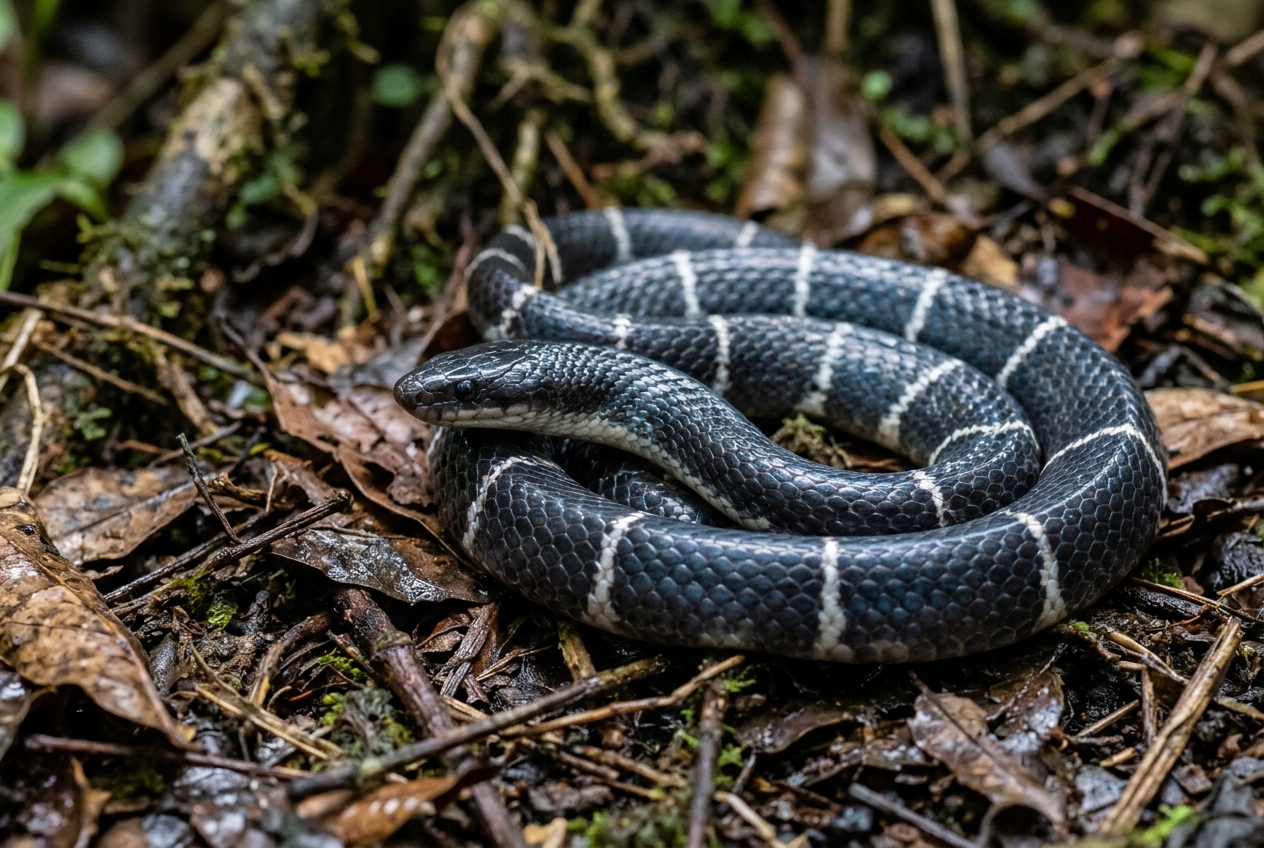
Common Krait (Bungarus caeruleus)
Venomous • Neurotoxic

Common Krait

চিতি সাপ / শঙ্খচূড় (Bungarus caeruleus)

Black or bluish-grey with thin white cross-bands. Nocturnal, bites sleeping people painlessly. Most dangerous in rural homes.

Symptoms: Morning abdominal pain, drooping eyelids (ptosis), respiratory failure.
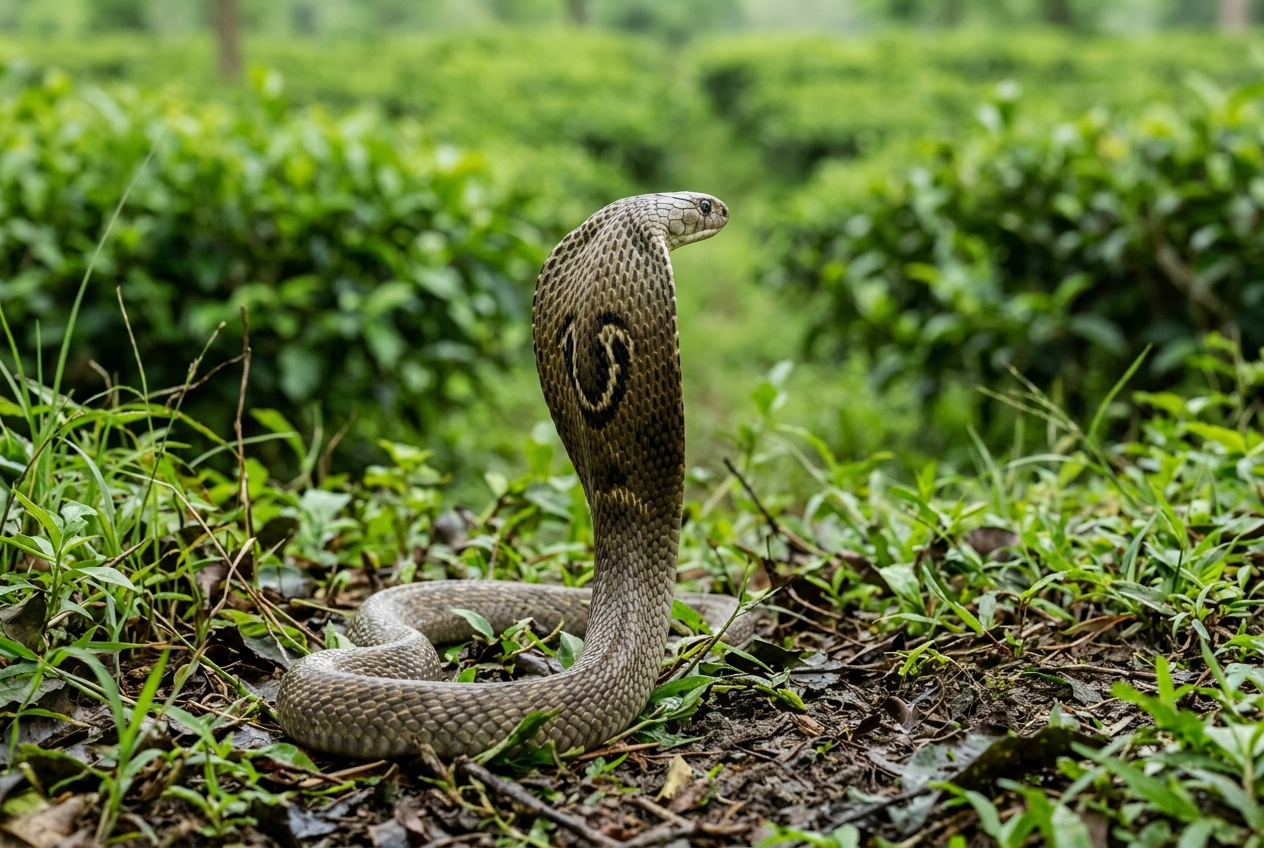
Monocled Cobra (Naja kaouthia)
Venomous • Neurotoxic & Cytotoxic

Monocled Cobra

গোম সাপ / খৰখৰীয়া সাপ (Naja kaouthia)

Single O-shaped circular ring on the hood. Widespread across Assam paddy fields and tea gardens.

Symptoms: Severe local necrosis, blistering, blurred vision, difficulty swallowing and breathing.
Venomous • Hemotoxic & Vasculotoxic

Russell's Viper

দাবোইয়া সাপ (Daboia russelii)

Three rows of reddish-brown spots with dark borders. Emits loud hissing sound when threatened.

Symptoms: Profuse bleeding from gums/wounds, acute kidney failure, blood clot failure (prolonged 20WBCT).
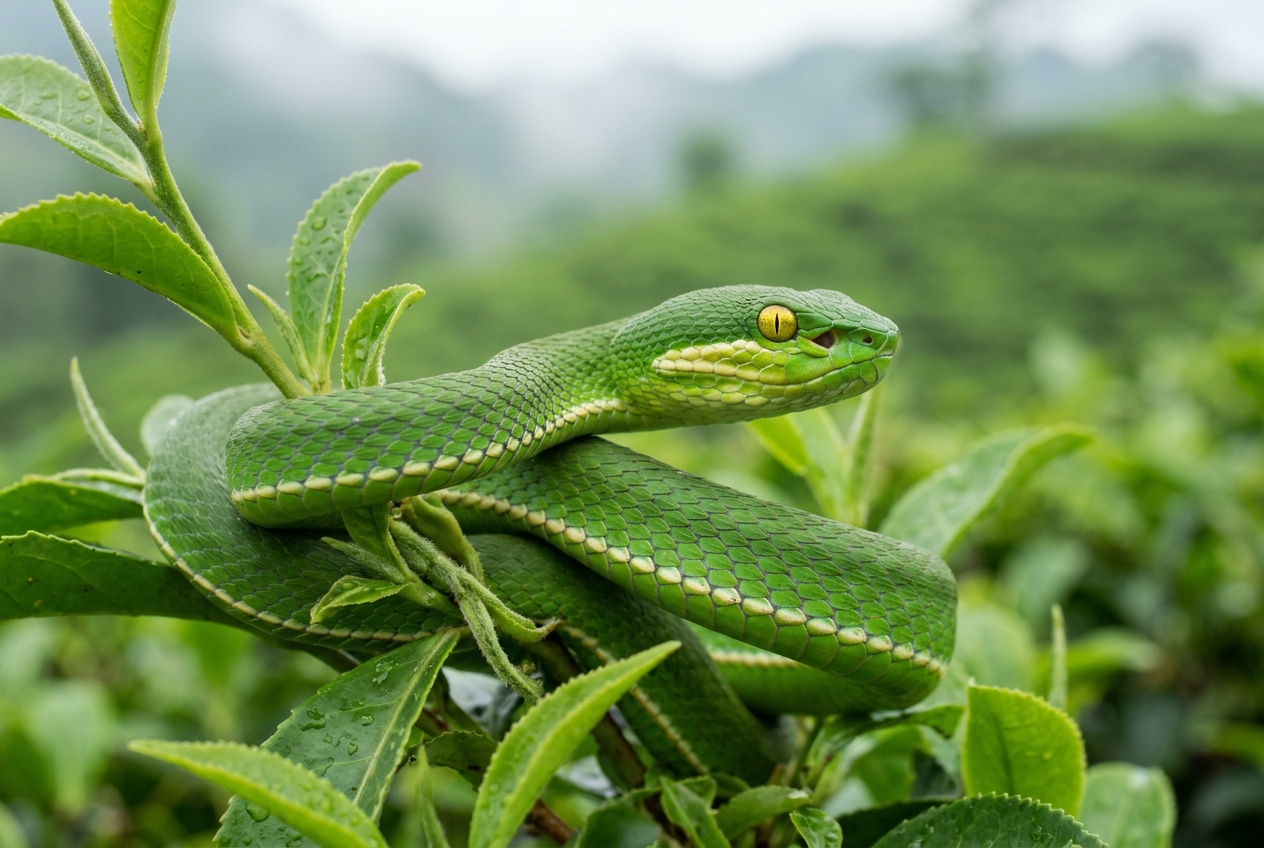
White-lipped Pit Viper (Trimeresurus albolabris)
Venomous • Hemotoxic

White-lipped Pit Viper

সাঁচী সাপ / সেউজীয়া বৰলা (Trimeresurus albolabris)

Vibrant green with triangular head and heat-sensing pits. Commonly found on tea bushes and bamboo groves.

Symptoms: Severe local pain, swelling, low platelet count, moderate bleeding risk.
Non-Venomous • Farmer's Friend

Indian Rat Snake

দঁদৰ সাপ (Ptyas mucosa)

Large, agile brown/yellowish snake with prominent black lip scales. Feeds on rodents in fields. Completely harmless to humans.

First Aid: Clean bite with soap and water; tetanus prophylaxis. No ASV required.
Decentralized Healthcare Innovation

The Demow Model of Snakebite Management

Created by Dr. Surajit Giri at Demow CHC, this model proved that with institutional readiness, trained rural teams, and tele-coordination, zero snakebite mortality is achievable in rural India.

1. 24x7 Dedicated Snakebite Emergency Ward

Establishing an alert, specialized resuscitation unit at the rural Community Health Centre stocked with polyvalent ASV, emergency airway equipment, and strict monitoring protocols.

2. Venom Response Teams (VRT & FRT)

Empowering village youths, ASHA healthcare workers, and tea garden supervisors as certified first responders to initiate proper pre-hospital immobilization and escort patients swiftly.

3. Real-Time Tele-Communication

Dedicated emergency WhatsApp groups and phone helplines linking villagers, ambulance drivers, and hospital staff. Pre-arrival notification ensures zero triage delay when the victim reaches the ER.

4. Demystifying Superstitions & Anti-Quackery

Persistent grassroots campaigns dispelling faith healing, incisions, and black magic ('Oja-Bez'), redirecting high-risk rural communities toward evidence-based medicine.

The Turning Point That Changed Rural Assam

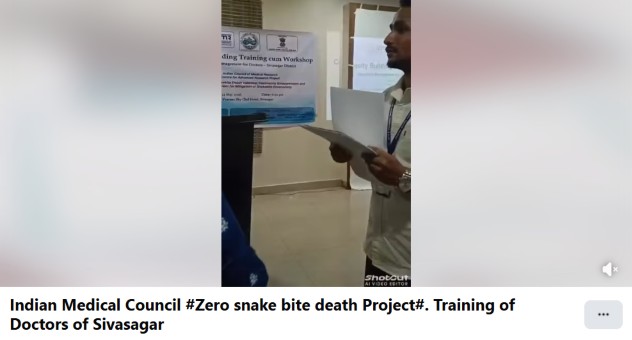
In 2008, a 45-year-old snakebite victim passed away while being referred between distant hospitals due to lack of confidence and standardized protocols at local rural clinics. That avoidable loss sparked Dr. Surajit Giri's lifelong mission.

"No human being should die from a treatable snakebite in India simply because they live in a rural area. Anti-Snake Venom belongs at the primary healthcare frontline."
— Dr. Surajit Giri

Dr. Giri transformed Demow CHC into an internationally recognized center of clinical toxicology. Today, patients from across upper Assam, Arunachal Pradesh, and Nagaland are referred to Demow for expert envenomation management.
National & Global Recognition

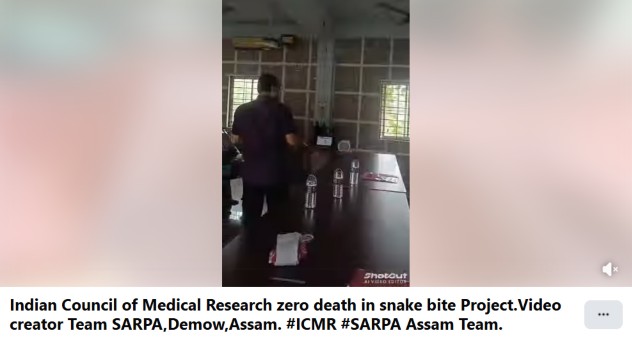
  • ICMR SARPA Project: Studied and integrated into the Indian Council of Medical Research's Snakebite Awareness, Response, Prevention & Action framework.
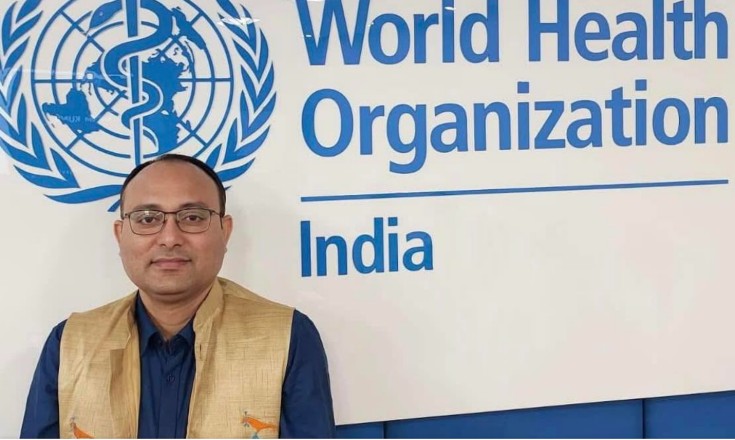
  • Government of India NPSE: Dr. Giri serves on the National Technical Advisory Committee (NTAC) shaping national venom management protocols.
  • International Society on Toxinology (IST): Presented findings and clinical case series at the World Congress on Toxinology.
  • Tea Garden Healthcare Standard: Adopted across major tea estates in Sivasagar, Dibrugarh, and Charaideo.
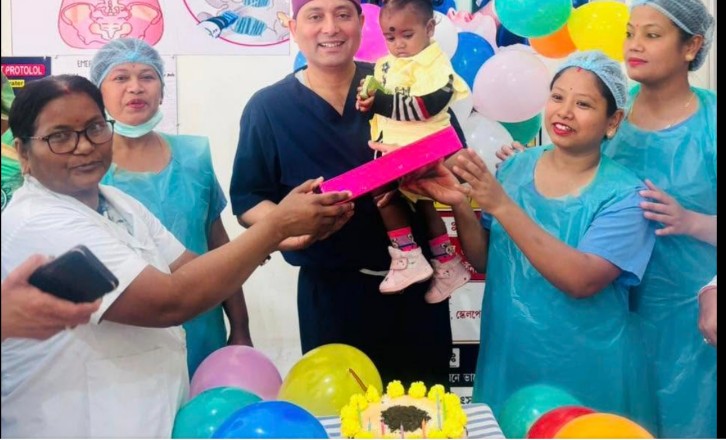
Demow Rural Hospital Medical Staff Celebrating Life Saved
Frontline Victory

Demow Model Hospital-cum-CHC Medical Team Saving Lives Against All Odds

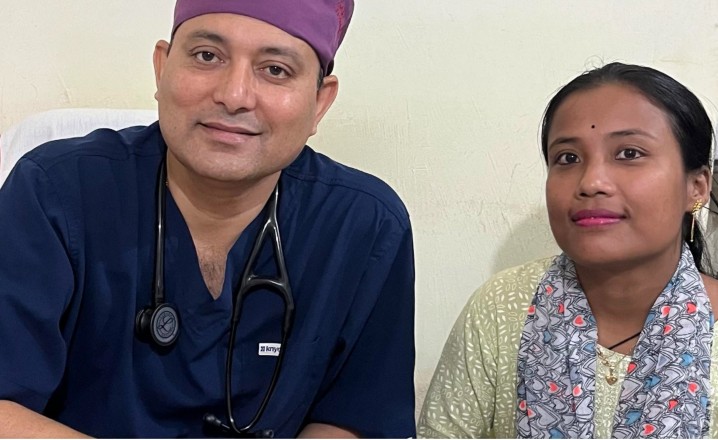
Dr. Surajit Giri and Demow healthcare workers celebrating the healthy birth of baby to pregnant snakebite survivor Rupa Ghachi, saved from lethal envenomation under the Demow Model protocol.

Grassroots Army of Life Savers

The "Venom Army": Community Guardians Against Snakebite Fatalities

Medical equipment alone cannot solve a rural public health crisis if the patient arrives too late. The Venom Army is Dr. Surajit Giri's network of thousands of trained village youths, ASHA workers, teachers, and tea garden sardars across Assam.

First Reaction Teams (FRT)

Stationed in remote hamlets; immediately immobilize limbs and arrange rapid two-wheeler or four-wheeler transport.

Venom Response Teams (VRT)

Liaise directly with Demow Hospital doctors via WhatsApp to provide live symptom updates en route.

ASHA & Anganwadi Cadres

Conduct door-to-door education, dispel faith-healer myths, and emphasize protective gumboots in tea gardens.

Wildlife & Rescue Volunteers

Educate communities on snake conservation, prevent retaliatory killing, and safely relocate snakes away from homes.

🤝

Be a Life Saver in Your Village

Every volunteer trained in correct first aid can save dozens of lives in their neighborhood. Join our free training sessions led by Dr. Surajit Giri and Demow medical staff.

  • ✓ Free First Aid Certification & Training
  • ✓ Direct 24/7 Demow CHC Emergency Priority Access
  • ✓ Venom Army Awareness Badge & Materials
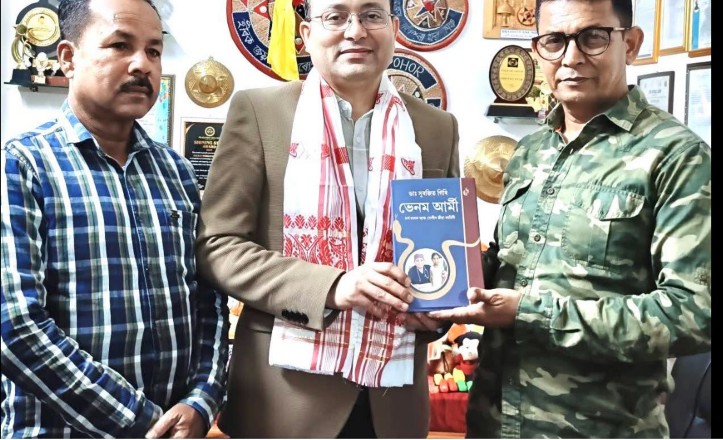
Dr. Surajit Giri presenting Venom Army book with Saurav Borkataki Author & Educator

"Venom Army" (ভেনম আৰ্মী) Book Presentation

Dr. Surajit Giri with renowned naturalist and snake rescuer Saurav Borkataki, sharing his book detailing field protocols and grassroots volunteer courage across Assam.

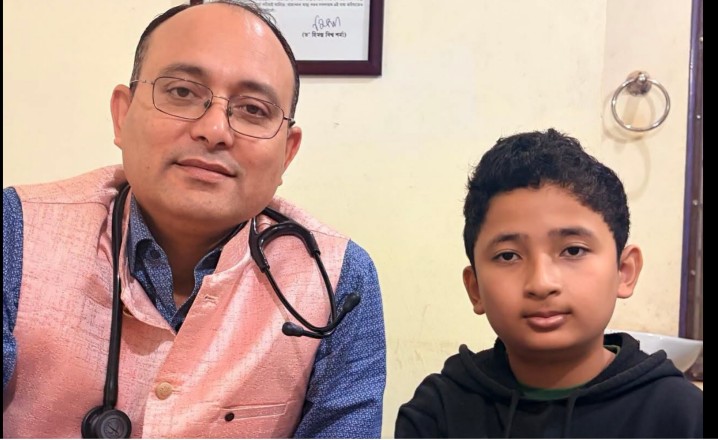
Dr. Surajit Giri with recovered patient Nishit Survivor Story

Zero-Death Recovery: 12-Year-Old Nishit

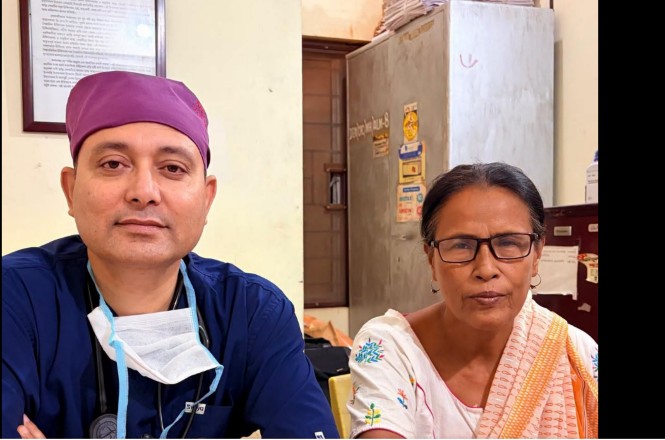
Bitten in his sleep in Naharkatia, Nishit arrived with critical envenomation. Rapid Demow Model intervention and precise ASV titration brought him to full recovery without complications.

Physician, Humanitarian, Educator

About Dr. Surajit Giri

Devoting over a decade and a half to rural medicine, critical care, and community empowerment in Upper Assam.

Dr. Surajit Giri Profile Picture

Dr. Surajit Giri

Consultant Anaesthesiologist & Rural Health Crusader
Born: July 4, 1977, Disangmukh, Sivasagar, Assam
MBBS: Assam Medical College (AMC), Dibrugarh (2000)
Post-Grad: Anaesthesiology (AMC, Dibrugarh, 2006)
Hospital: Demow Model Hospital & CHC, Sivasagar
Public Honor: Known widely as Assam's "Snake Doctor"
Socials: Facebook Profile →
Contact / Request Workshop

A Lifetime Dedicated to the Frontline of Rural Care

Born in Disangmukh near the mighty Brahmaputra river in Sivasagar, Dr. Surajit Giri witnessed firsthand the perils of rural living in flood-prone Upper Assam, where monsoon waters drive venomous snakes into human dwellings.

After completing his MBBS in 2000 and specialization in Anaesthesiology in 2006 from Assam's premier medical institution, Assam Medical College (AMC), he chose to dedicate his career to rural government healthcare rather than pursuing lucrative private practice in metropolitan centers.

2000 - 2006

Medical Graduation & Anaesthesiology Specialization

Trained in emergency resuscitation, airway management, and hemodynamic critical care at Assam Medical College, Dibrugarh.

2008

The Catalyst: Tragic Snakebite Death in Sivasagar

A preventable snakebite fatality inspired Dr. Giri to research toxinology and build standardized decentralized protocols.

2012 - 2018

Birth of the "Demow Model" & The Venom Army

Transformed Demow CHC into a zero-mortality snakebite model center and mobilized hundreds of tea garden volunteers.

2020 - Present

National Blueprint & Advisory Roles

Serving on the National Technical Advisory Committee (NTAC) under the Ministry of Health & Family Welfare (MoHFW) and collaborating with ICMR on nationwide snakebite mortality reduction.

Dr. Giri is also a passionate advocate of the One Health initiative, actively working on rabies prevention, animal bite management, and humane snake rescues in tea estates.

Literature & Medical Research

Authored Books & Scientific Publications

Documenting clinical toxinology, busting myths, and providing actionable guides for rural healthcare practitioners and communities.

সাপ আৰু আমি
(Hap Aru Ami)
ডাঃ সুৰজিৎ গিৰি

Hap Aru Ami (সাপ আৰু আমি / Snakes and Us)

Published by Purbayon Publication

An acclaimed Assamese book demystifying snake myths, explaining snakebite prevention, detailing scientific first aid, and educating rural families to seek medical aid over traditional quacks.

Public Health Bestseller
VENOM
ARMY
Dr. Surajit Giri

Venom Army: The Grassroots Operational Manual

Community Health Handbook

A practical handbook detailing the mobilization of Village Response Teams (VRT), First Reaction Teams (FRT), and real-time clinical referral networks for zero-mortality snakebite management.

Field Manual

Peer-Reviewed Research & Clinical Studies

Contributions to global journals on envenomation protocols and rural critical care

Google Scholar Profile →

Decentralized Management of Snakebite Envenoming in a Rural Primary Health Centre: The Demow Experience

Giri S., et al. • Journal of Acute Care / Toxinology Perspectives

Clinical Model

Clinical Profile and Outcome of Venomous Snakebites in Upper Assam: Highlighting Regional Venom Variations

Co-authored observational research • Toxicon / MDPI Toxins

Research Paper

Feasibility and Impact of Community First Reaction Teams in Lowering Snakebite Referral Delays

Indian Council of Medical Research (ICMR) collaborative observational findings

Public Health
Accolades & Recognition

Honors & National Media Coverage

Honored by medical bodies, state organizations, and covered widely across national and international press for humanitarian excellence.

🏆

Rashtriya Gaurav Award

2016

Recognizing pioneering services in rural healthcare and snakebite envenomation response in Northeast India.

🎖️

GARC Public Awareness Award

2018

Conferred by the Global Alliance for Rabies Control for outstanding animal bite and rabies education.

🎗️

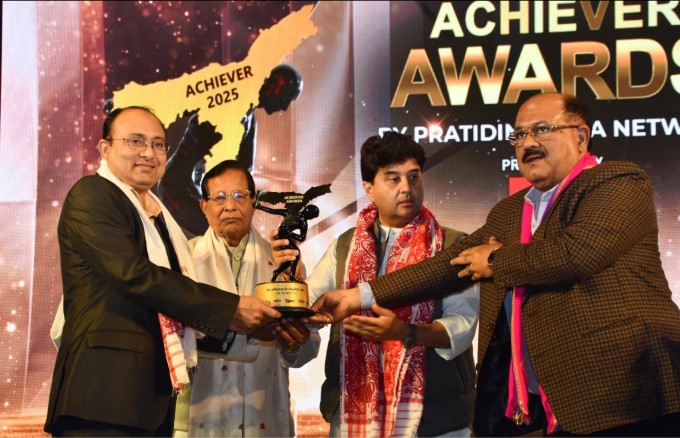
Excellence in Healthcare

Pratidin Time Achiever

Honoring monumental contributions toward public health and zero-mortality snakebite emergency treatment.

🌟

Samaj Sajjan Honor

2023

Conferred for exemplary humanitarian dedication and fighting superstitions in rural Assam.

NDTV

"How an anaesthesiologist turned a rural Assam health centre into a fortress against deadly snakebites, managing thousands of cases with near-zero mortality."

The Hindu

"The Demow Model has demystified snakebite management at the primary level, proving that decentralized ASV administration is India's most urgent weapon."

The Print

"Meet Assam's Snake Doctor: Dr. Surajit Giri is dismantling centuries-old superstitions in tea estates and saving lives with his dedicated Venom Army."

Dr. Surajit Giri Facebook Cover Photo
📸 Official Facebook Cover Photo
Dr. Surajit Giri Official Facebook Profile Picture

Surajit Giri

66K+ Followers • 192 Following • Profile • Blogger

"Anaesthesiologist, keen interest in snake, insect & Animal bites in human"

🎓 Studied at Assam Medical College & Hospital (AMC) • Sibsagar Govt HS • Member since Nov 2010

Dr. Surajit Giri actively engages with over 66,000 followers on his official Facebook profile (facebook.com/drsurajitgiri), sharing verified grassroots field reports, successful snakebite resuscitations, hospital discharge stories, and seasonal advisories across Assam.

Surajit Giri
Surajit Giri
11 March · Public
📌 Book Launch
ভেনম আৰ্মী…
তেজপুৰ গ'লে প্ৰকৃতিবিদ, সৰ্পবান্ধৱ আৰু বিশিষ্ট সমাজকৰ্মী সৌৰভ বৰকটকী ডাঙৰীয়াক লগ নকৰাৰ কথাই নুঠে। আমাৰ 'ভেনম আৰ্মী' কিতাপখন তেখেতক প্ৰদান কৰিবলৈ পাই আনন্দিত হলোঁ। তেখেতে তেজপুৰত এতিয়ালৈকে আঠটাকৈ বিষাক্ত ৰাছেল ভাইপাৰ সাপ উদ্ধাৰ কৰি কিমান মানুহৰ জীৱন ৰক্ষা কৰিছে, সেয়া ভাবিলেই মন শ্ৰদ্ধাৰে ভৰি পৰে।
Dr. Surajit Giri with Saurav Borkataki presenting Venom Army book
👍 ❤️ 1,000+ reactions
67 comments · 14 shares
👍 Like 💬 Comment ↗️ Share
Surajit Giri
Surajit Giri
Recent · Public
নিশিত · সুস্থ হৈ চিকিৎসালয়ৰ পৰা বিদায়…
১২ বছৰীয়া নিশিতৰ মুখলৈ চাই মই আচৰিত হৈছিলোঁ! ইমান বিষ, ইমান যন্ত্ৰণা, ইমান অসহ্য কষ্ট—তথাপিও তাৰ মুখত কান্দোনৰ চিন নাছিল। ডিব্ৰুগড় জিলাৰ নাহৰকটীয়াৰ নিশিত গগৈক ডিমৌ আদৰ্শ চিকিৎসালয়ত উপযুক্ত এণ্টি-স্নেক ভেনম প্ৰদান কৰি সুস্থ কৰি তোলা হ'ল।
Dr. Surajit Giri with recovered patient Nishit
👍 ❤️ 960 reactions
62 comments · 20 shares
👍 Like 💬 Comment ↗️ Share
Surajit Giri
Surajit Giri
21 February · Public
মৃত্যুঞ্জয়ীৰ জয়যাত্ৰা…
তিনি মাহৰ গৰ্ভৱতী অৱস্থাত বিষাক্ত ক'লা শঙ্খচূড় সাপে কামোৰা ৰূপা গাচিক ডিমৌ গ্ৰাম্য হাস্পতালত এণ্টি-স্নেক ভেনম প্ৰদান কৰি সুস্থ কৰি তোলা হৈছিল। আজি মাতৃ আৰু সন্তান দুয়োজনেই সম্পূৰ্ণ সুস্থ—ডিমৌ চিকিৎসালয়ৰ সমগ্ৰ স্বাস্থ্যকৰ্মীৰ এক আনন্দময় ক্ষণ।
Demow Hospital staff celebrating snakebite survivor's baby
👍 ❤️ 1,200+ reactions
108 comments · 31 shares
👍 Like 💬 Comment ↗️ Share
Reach Out

Hospital Location & Helpdesk

For emergency patient arrivals, community awareness workshops, or research collaborations, get in touch directly.

Hospital & Direct Contact Details

Primary Location

Demow Model Hospital & Rural Community Health Centre (CHC)
National Highway 37, Demow, Sivasagar District, Assam - 785662, India

Emergency Contact & WhatsApp

+91 94350 56627 (24x7 Demow Emergency)

Social Media Profile

facebook.com/drsurajitgiri

Directions:

Located on NH-37 in Demow town, approximately 18 km from Sivasagar town and 65 km from Dibrugarh (Assam Medical College).

Send a Message or Workshop Request

Request Dr. Surajit Giri for snakebite/rabies awareness sessions in tea gardens, schools, or community halls.

SOS: 94350 56627